AusAlert Goes Off Today: What Every Australian Needs to Know About the New Emergency Warning System
If your office, home, or car suddenly fills with sirens around lunchtime today, don't panic. It's not an emergency. It's a test.
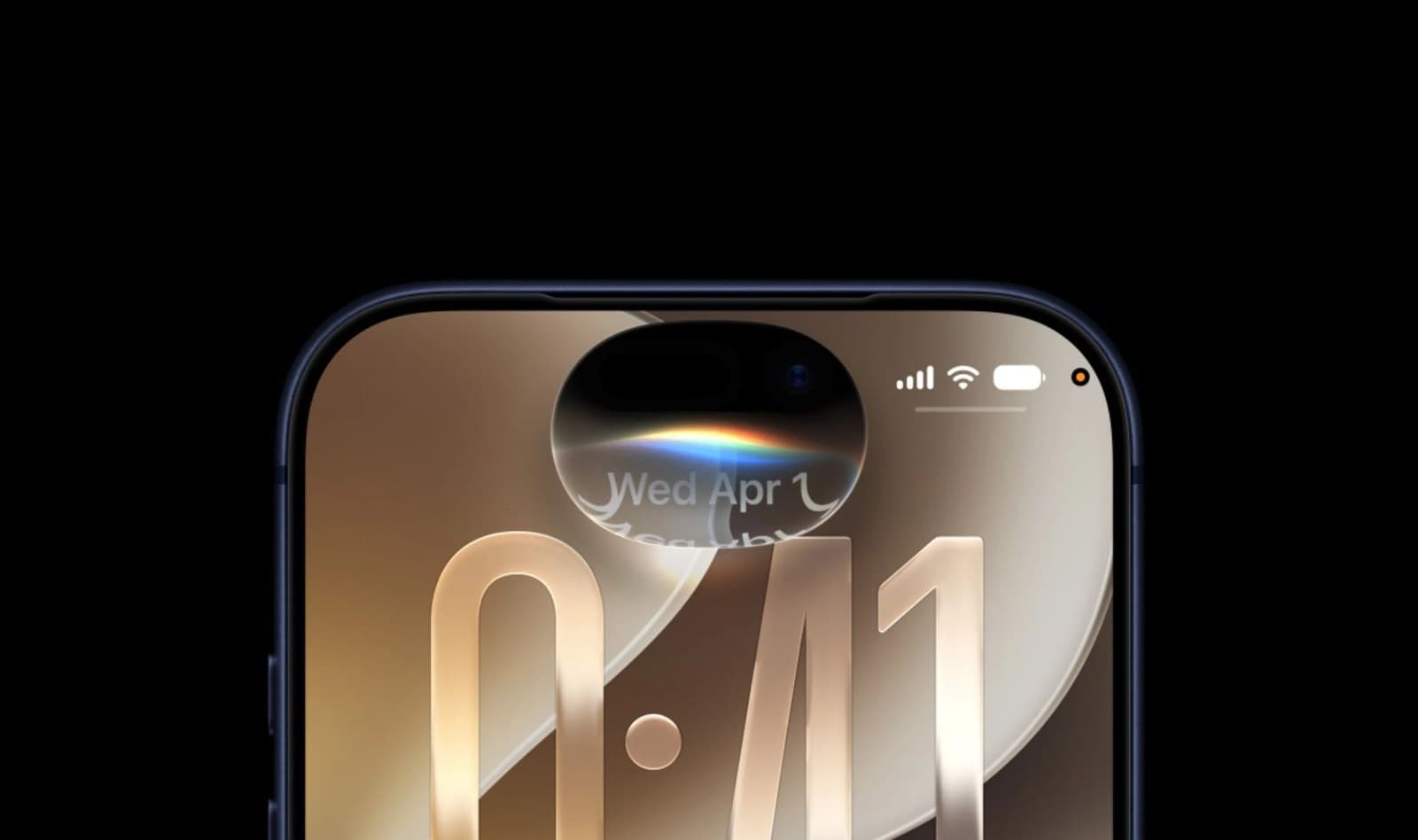
At 12:00pm AWST on Monday 27 July 2026, phones across Western Australia will sound a loud alarm, vibrate, and show a full-screen message. The same thing happens at 1:30pm in South Australia and the Northern Territory, and 2:00pm on the east coast. Around 23 million devices nationwide are expected to go off within seconds of each other.
This is the first national test of AusAlert, Australia's new emergency warning system. The message will say clearly that it's only a test and that you don't need to do anything. But it's worth understanding what AusAlert actually is, because from October it becomes the way you'll be warned about bushfires, floods, and other emergencies. Whether you're running a business or just getting on with your day, there are a couple of practical things worth knowing before it goes live.
What is AusAlert?
AusAlert is a national emergency warning system run by the National Emergency Management Agency (NEMA), co-delivered with the federal communications department. It replaces the older SMS-based alert approach with something called cell broadcast.
The difference matters. The old system sent emergency warnings as text messages, which meant they relied on your phone number, a working SIM, and a network that wasn't already jammed. During a real disaster, when everyone in an area is calling and texting at once, that's exactly when the old system struggled.
Cell broadcast works differently. Instead of sending individual texts, it broadcasts a single message to every compatible phone in a defined area at the same time, a bit like a radio signal. It doesn't need your number, it doesn't need you to download an app, and it doesn't even need an active SIM card. If your phone can pick up any nearby tower, you get the alert.
More than 30 countries already use this technology, including the United States, the United Kingdom, New Zealand, Japan, and across the European Union. Australia is catching up.
Why it's being introduced now
AusAlert traces directly back to the 2020 Royal Commission into National Natural Disaster Arrangements, set up after the Black Summer bushfires. One of its findings was that Australia's emergency warning systems, including mobile alerts, needed to be more reliable and more precise.
The federal government funded the build across the 2022-23 and 2023-24 Budgets. After several years of development, the system is technically ready as of this month and goes live for real use from October 2026.
What makes it different
A few things stand out about how AusAlert works:
- It's precisely targeted. Alerts can be aimed at an area as small as 160 metres, roughly a single building or street. If you're not in the affected zone, your phone stays quiet. This means emergency services can tell exactly the right people to evacuate without alarming an entire city.
- It's loud on purpose. For the most serious emergencies, AusAlert overrides silent mode and Do Not Disturb. Your phone will make the warning sound and vibrate even if you've muted everything. The test today uses a 10-second siren.
- It doesn't track you. AusAlert doesn't collect or store your phone number or your location. Because there's no personal data changing hands, it's also harder for scammers to imitate, which is a real plus given how many fake "emergency" texts already circulate.
- It's fast and resilient. Everyone in the target area gets the message at the same instant, and it leans on a cluster of towers rather than any single one, so it keeps working even if part of the network is damaged.
AusAlert will be used for bushfires, floods, cyclones, and tsunamis, as well as public safety threats, biosecurity incidents like disease outbreaks, and health emergencies such as pandemics. Messages will be in English only to begin with.
What you should actually do today
For most people, today's test needs no action beyond knowing it's coming so nobody thinks their phone has been hacked. But a few points are worth a moment's thought, especially if you run a team.
- Give your staff a heads-up. A room full of phones sounding a siren at noon can be jarring, especially for customer-facing teams, anyone in a meeting, or staff on the road. A quick message this morning saves confusion.
- Remind drivers not to touch their phones. If you or someone on your team is driving when the alert hits, the advice is the same as always: leave the phone alone until you've stopped. The alert doesn't require any response.
- Know that it complements, not replaces, your existing warnings. AusAlert sits alongside ABC Emergency, state emergency service apps like Emergency WA, and radio broadcasts. It's an extra layer, not a reason to stop checking your usual sources during a real event.
- One safety note. Because the alert overrides silent mode, anyone who keeps a hidden phone for personal safety should switch it off or into airplane mode before the test.
Once AusAlert is live from October, it's genuinely good news for anyone in a bushfire or flood-prone part of the country. Faster, more accurate warnings mean better decisions about when to leave, evacuate, or protect a home or a business.
The scam angle worth flagging
Any time a new government system launches, scammers follow. Expect fake "AusAlert" texts and emails in the coming weeks asking you to click a link, register, or verify your details.
Here's the simple rule: real AusAlert messages never ask you to do anything except read them and follow the safety instructions. There's no sign-up, no app to download, no account to verify. If a message claiming to be from AusAlert asks for personal information or wants you to click through to a website to "activate" it, it's fake. Delete it.
This is worth passing on to family and staff alike, because a convincing scam sent to a whole team only needs one person to click.
A good thing, privacy worries and all
AusAlert is a sensible upgrade to how Australia warns people in an emergency: faster than the old text-message system, and precise enough to alert a single street. Some people will see a government message that overrides your phone as a step too far, and that's worth thinking about. But it doesn't store your number or your location, plenty of other countries already rely on the same technology, and realistically, anyone who genuinely wanted to find you has far easier ways to do it. Today's test is just the dress rehearsal. The real thing arrives in October.